I have spent 24 years building the parts of games that players never see. The servers, the backends, and the systems that keep a world online while millions of people log in at once. In all that time, one lesson has stayed true. The studios that launch well are the ones that stop reacting and start getting ahead of the problem.
Two issues show up again and again: the first is preparing for launch; the second is what happens after. Teams are under real pressure, and often they run out of time to write a launch plan, let alone test the game under heavy load. Players don't forgive a rough launch anymore. You get one shot at a release, and the whole internet remembers if it goes wrong.
After launch, I see studios trying to learn about their players by reading Reddit and Discord. That tells you something, but it only tells you what players choose to report, and only after it already happened. By then the damage is done.
We use the word proactive a lot at Code Wizards, and I know it can sound like a buzzword. Here's what it means in plain terms: you don't wait for something to break; you assume problems are hiding in your system, and you go looking for them before a single player feels any pain.
What a clean launch actually takes
When I plan a launch, I think about 5 things. None of them are glamorous, but together they're the difference between a calm release and a 3:00 AM disaster.
Muscle memory. I call it "reps and sets". Your team needs to be skilled, and they need to have practiced the release and everything that follows. Write your runbooks and drill them hard until everyone knows their part. Practice is where you find the gap between your plan and reality, while there is still time to close it.
Load and soak testing. This is where studios most often cut corners. It's tempting to run a quick load test at your expected player count for a minute or two and call it done. That's far too gentle. You need to push harder and hold it there.
Test to 120 percent of your expected peak concurrent players, and keep it running for as long as your budget allows. That's how you see the system under real stress. It is how you find the slow memory leak that creeps up over hours, or the hard limit you did not know you were about to hit.
Monitoring. Your telemetry has to be thorough enough to show you the data and the anti-data, by which I mean the absence of a signal you expected to see. Sometimes the missing number tells you more than the ones that are there.
Proactive mindset. Don't wait for alarms; look for anything that does not feel right, and treat every odd reading as a lead worth chasing.
Communication. Have a plan that includes your engineers, your game team, and your community. Players know the world is not perfect. What they won't forgive is silence. Keep them updated on what is happening and what to expect.
The human side of keeping a game alive
Running a live service for millions of players around the clock is a fascinating mix of software and people. Software is very good at spotting the usual patterns, but the human part matters most. Our best engineers are the ones who notice the unusual. A small dip in player numbers, or a strange change in behavior, and they start forming a theory about what's going on; then they pull in the right people to act.
The threats have changed too. 20 years ago, a serious denial-of-service attack was carried out by state actors or large hacking groups. Today I see individual players building their own botnets to cause trouble. Sometimes they do it just to keep a server alive overnight so their own character does not die. Being watchful isn't enough. When something does go wrong, you have to find the root cause and make sure it never happens the same way again.
Social commitment is undoubtedly the most complex of the three metrics, both in terms of defining what it means and calculating it. Conversion to target action and time between sessions are straightforward — you decide what action to track, or how many hours between sessions counts as a gap, and you're done.
Social commitment is different. You have to first identify all the ways players connect socially — guild membership, friend lists, co-op play — then make sure you're actually capturing all of it in your data. But here's the harder part: social engagement keeps changing. What feels like a strong signal today might become outdated tomorrow as players find new ways to bond. This means you can't just set up the metric once and forget about it. Studios need to log everything players do and regularly check whether their social signals still matter or if they've stopped working.
AI pros & cons
AI is one of the most divisive topics in our field, and what counts as acceptable varies from one studio to the next. Let me be honest about where it earns its place. For systems that need to scale to huge numbers, AI code generation is not much help yet. The same is true for the closed console platforms.
Where it does help is the speed of experimentation. We use AI tooling to help studios test ideas faster, such as generating rough art or placeholder dialogue for characters. Most of those assets get replaced by human work later, and that is fine.
The least exciting point is the most important one: governance. Every studio I work with needs to know which tools and models were used, and for what purpose. Where I see real change is in the development pipeline itself. AI checking code commits, automated testing agents, and text that gets localized the moment it changes. Those things are quietly reshaping how teams work together.
Why partnership beats headcount
The way a studio works with an outside tech partner can make or break the whole project. Our model is built around outcomes, not bodies. We provide small pods of people tuned to what the client actually needs. A group of engineers who share the muscle memory of working together is worth far more than a list of individual skills at a price.
The best relationships are honest partnerships. Everyone shares what is working and what is not, and it all rests on trust. Studios used to hiring resources are often not accustomed to sharing much information, which limits how much we can help. There is a real difference between asking for twenty developers to tune a console port and asking us to help you optimize the game for that console. We like to start with the outcome you need, then work out how to get there.
I have a favorite example: We worked with a talented UK studio on a fantasy sports game. They had a great idea for how players would unlock cards. We suggested a small change to the order of things that saved them weeks of engineering work. That only happened because they let us in close enough to see it.
The next 3-5 years
The whole industry is chasing one question that shapes everything: "How do I ship this game on time and on budget?"
I expect studios to lean more on nimble specialist teams for different parts of a game. That means we all need better ways to coordinate as those teams roll on and off during development. The service providers who do well will be measured by the outcomes they deliver, not by the number of people they send. And we are going to see some much-loved older games need major backend overhauls, because the systems they were built on will not carry them into the future.
If there is one thing I want you to take from all of this, it is that a good launch isn't luck. It's the result of quiet, careful work done long before release day. Build a strong foundation early. It isn't as hard as it sounds, and everything you build later sits on top of it.
Strong foundations are exactly the kind of crucial backbone work that lets your game take the spotlight. That's where a partner like Xsolla fits, with tools that sit beneath the surface so your team can stay focused on the game itself. When you're ready to launch, grow, and keep your players happy, Xsolla has all the things you need to run a successful game business.
Talk with an Xsolla expert
Learn how Xsolla’s video game monetization experts can help accelerate your business. Xsolla is a global video game commerce company with a robust set of tools and services designed specifically for the game industryLearn how Xsolla’s video game monetizationexperts can help accelerate your business. Xsolla isa global video game commerce company with arobust set of tools and services designedspecifically for the game industry.
By submitting this form, you consent to receive the digital guide.You can unsubscribe at any time. For more information, please read our Privacy Policy.
How to solve the investment problem for mid-tier AA games
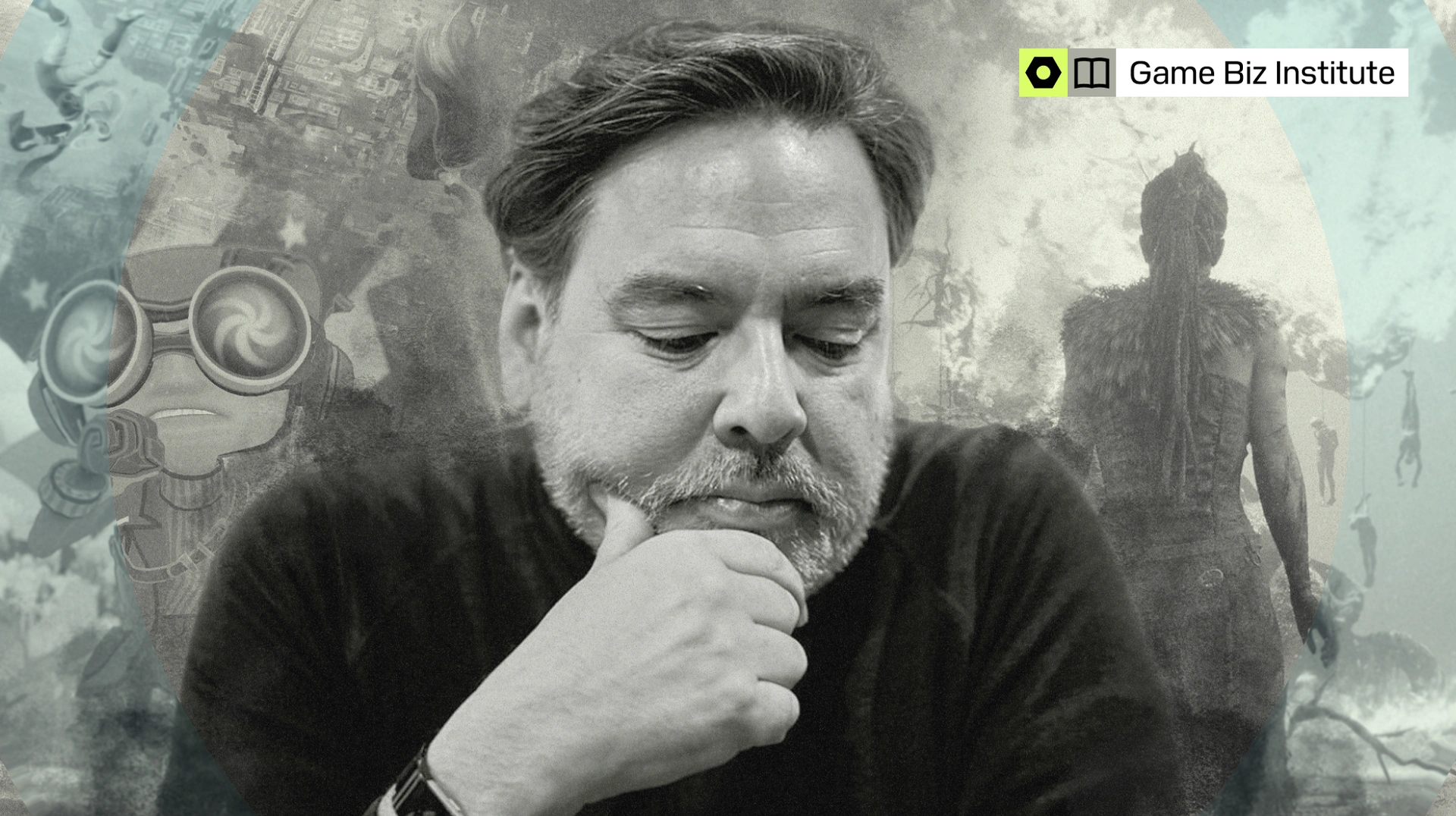
Shawn Layden is building a financing vehicle for stranded AA games. The teams keep their IP. The hard part is that nobody knows how to underwrite a video game.
Brian CrecenteEditorial consultant to the video game industry
SEPTEMBER 14, 20266 MIN
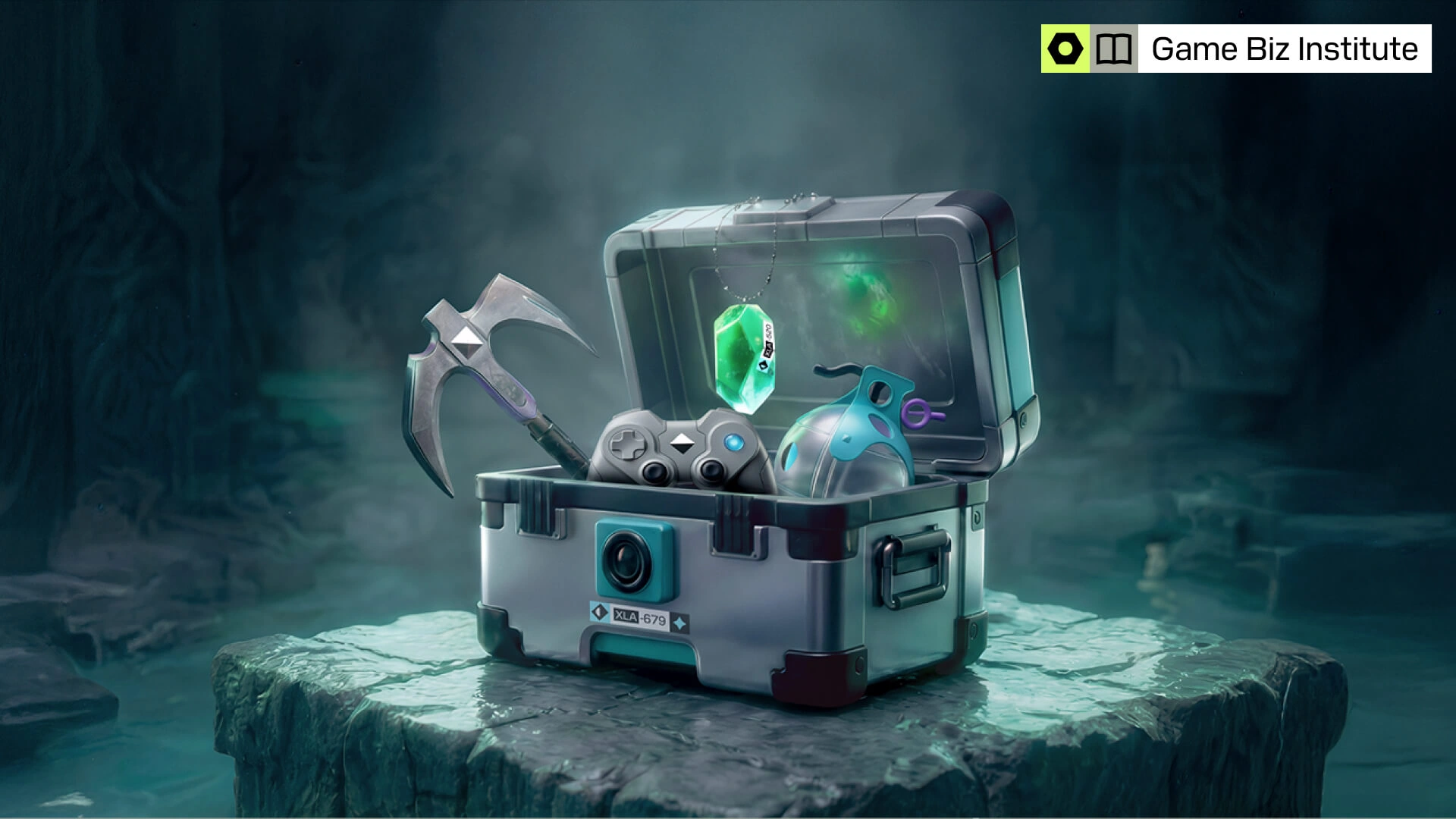
Proactive, not reactive: 24 years of keeping games online
The calm game launch is never luck; it's the result of work you do long before release day.
The players you already have are your biggest growth opportunity
Adikteev's Emilien Eychenne knows that your biggest game growth lever isn't new installs; it's learning to spot churn early and win mobile players back for good.
The trust gap: why Asian players abandon your checkout
Xsolla research across Asia reveals a consistent pattern: players do not abandon carts because of price; they leave because the checkout feels foreign. Here is what it takes to earn trust at the moment of purchase.
How game discovery actually works, and fails, in 2026
Distribution got democratized. Discoverability got concentrated. GAM3S.GG Head of Operations Eliza Crichton-Stuart speaks out on what that gap means for players and developers, and how to close it.
Virtual worlds were supposed to let players be themselves, but monetization forgets that
MUD1 co-creator Richard Bartle reflects on the origins of virtual worlds, the player-developer contract, free-to-play, pay-to-win, Web3, and why lasting MMOs need purpose before monetization.
Richard BartleGame Design Professor, University of Essex
AUGUST 13, 20266 MIN
What 15 years of game partnerships taught me
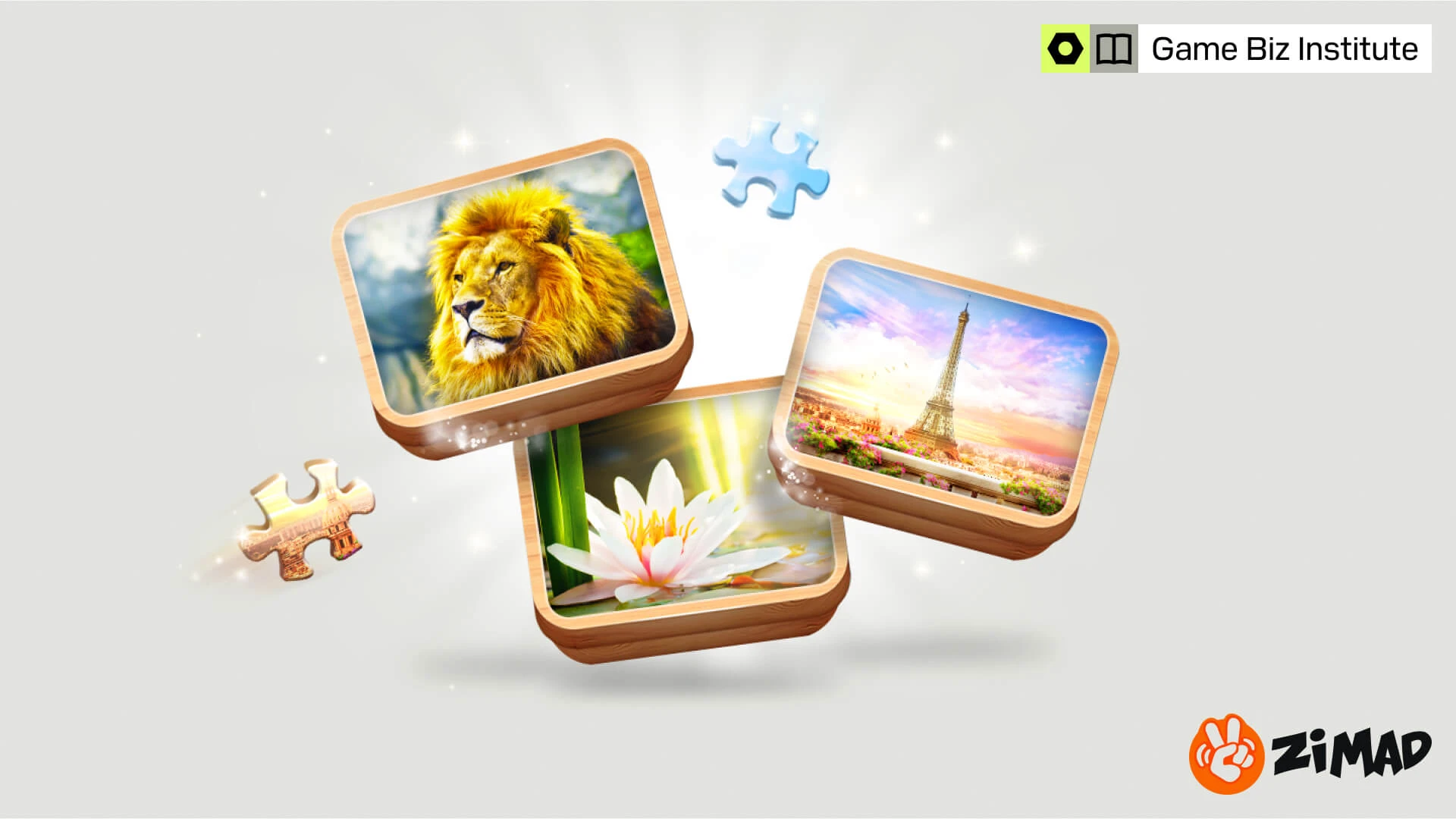
After 15 years and 170M downloads of Magic Jigsaw Puzzles, ZiMAD's Chief BD Officer shares how to protect player trust and lead through fast change.
GDAI's Program Director, Machaiah Kalengada, dives into the unique combination of India's 550 million young gamers and an industry ready to build its own IP. He reveals what's really happening in India's booming game development scene.
Andrew Naicker of Skystone Games has spent 14 years watching the "ship faster, market louder" playbook fail. Here's what he actually builds and what it takes to launch in 2026.
Entertainment licensing isn't a AAA-only game anymore. Xsolla Agency global IP licensing advisor Mark Caplan discusses how mobile studios are sitting on one of the best growth levers in the industry and most aren't using it. Here's what developers get wrong and how the right partner changes everything.
Mark CaplanGlobal IP licensing advisor, Xsolla Agency
AUGUST 13, 20269 MIN
The attention economy: how games win mind share in 2026
Players have more to watch, play, and scroll through than ever. They have less time to give any of it. Lexi Sydow, founder of The ATTN Economy, explains why that gap is the real battleground for every game in 2026.
Lexi SydowChief Analyst & Founder, The ATTN Economy
AUGUST 13, 20266 MIN
What keeps a game running for 24 years?
Sega's head of development studios on LiveOps, global growth, and going direct to players.
Are you a game industry expert with insights that inform? Help us grow Game Business Institute and earn revenue for contributions that have direct impact.
Game Biz Institute
The game industry's most extensive library of business insights.


-1920x1080.webp)



.jpeg)
%20(2).jpg)
%20(2).JPG)
-808x789.webp)
-1920x1080.webp)

-1920x1080.webp)

-1920x1072.webp)
-1-400x400-400x400.webp)
-501x501.webp)

-500x500.webp)



-800x800.webp)

-2-1920x1920.webp)