




-1-1920x1080.webp)
GBI
OCTOBER 27, 20265 MIN
Building your game is only the beginning. Now you need player trust
Your data might lie, but your players won't.
Ilya AbugovDirector, Helika Ventures
October 27, 2026
You finished the build. Now comes the part that decides whether players ever find it. Here is how honest data, real listening, and true player relationships drive growth.
For a long time, only a few studios had the money and the people to build a game engine and then build a game on top of it. Then engines like Unity and Unreal arrived, and a small team could finally make something great without having to start from scratch. Today we know a tiny team can ship a wonderful game.
Publishing is where things stayed in limbo. Development moved forward fast, but getting a finished game in front of the right players still feels old-fashioned. So before we talk about analytics and growth, I want to start with a mindset. None of this is investment or legal advice, and the views here are my own.
Many first-time, and even second-time, studios pour everything into one goal: finishing the build. That focus makes sense. It is also a trap. The moment your game is done, a longer road begins, and most of that road is about being seen, understood, and remembered.
The classic mistake is to go quiet, build in private, then step back into the light and hope the audience wants exactly what you made. Sometimes it works, but often it does not. The better path is to build with your community, not just for it.
Analytics should guide that work, and good data is worth a lot. But I want to be honest about something we do not say enough. Data sometimes lies.
Statistics can point almost anywhere, depending on how you slice them. It is easy to look for the answer you already wanted and then call it a finding; however, numbers are tools, not verdicts. The studios that grow are the ones that keep checking whether the data matches what real players are actually saying, and then listen when the two disagree.
ROAS is the ultimate metric and really the only one that should matter at the end of the day. If you’re hitting ROAS goals based on your modeled/expected payback periods then that particular network/campaign/creative is doing well. There are other metrics that help to support ROAS like retention, LTV, and payer rate that all should be considered as well. If one of those metrics is off from benchmarks, it could indicate an issue with that traffic such as fraud. At very least it should be considered as an off number in one of those supporting metrics could ultimately affect ROAS expectations.
There are also plenty of vanity metrics that maybe are relevant in other parts of the business but don’t drive real results in UA. One example is CPI. It doesn’t matter if you’re paying $0.50 for an install or $50 for an install. If that install is paying back properly (AKA ROAS) then it’s a good install. You can have a bad $0.50 install and a good $50 install.
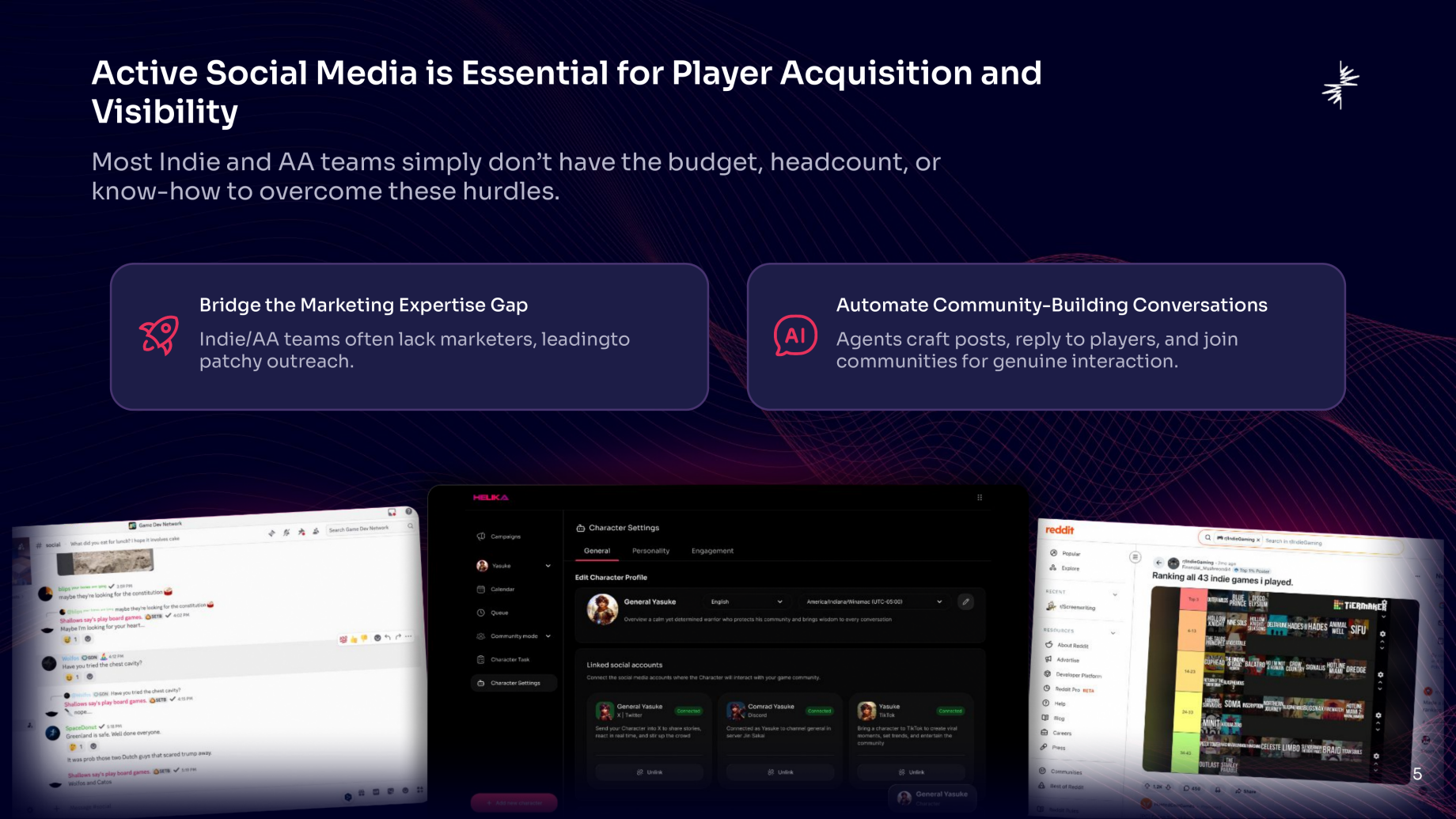
Helika began in gaming analytics, reading how players behave inside a game. Today we extend that understanding to the studio: giving their own characters a presence beyond the game. In spaces like Discord, they carry memory, personality, and a real grasp of the world they came from.
I don't like calling them chatbots; those answer questions, then forget you. A character remembers you, has opinions, and builds a relationship. That difference matters far more than raw accuracy.
For growth, the payoff comes in two parts: before launch, a character can be the first door into your world, giving players a reason to care while the game is still being built. After launch, that same character keeps the world alive between play sessions, which changes your retention in a way a patch note never could.
There is a quieter benefit that data teams will appreciate. Every conversation is feedback you did not have to force. You are not firing off another survey. You can see what players are excited about, what confuses them, even their moods and their intentions, all inside a natural conversation. Because it runs through a single system, feedback can be gathered and studied consistently. Players and characters even build lore together, so your community starts creating on its own.
A word of caution: the industry's wariness of AI is valid, and this does not replace anyone; not your community managers or your designers. Players get frustrated when they expect a human and quietly get a machine, because it feels like their time was not respected. The goal is to add a new kind of interaction, not to cut corners at a person's expense. Used that way, a character can also speak to each player in their own language, which opens regions you simply could not reach before.
Tools help, but growth still starts with words. When I talk with early teams, I ask a blunt question.
Open Steam's discovery queue and scroll, and you'll see that so much of it blurs together. If you cannot say, sharply and simply, what makes your world special, you cannot expect players to spend their time on it. Attention is finite. There are only so many gaming hours in a day across the whole planet. If someone is playing your game, they are not playing another. You have to earn that choice.
Everything else grows from that clarity. How you make short videos for TikTok or Reels, how you approach streamers, how you post on Reddit, which is still one of the great places for players to find games, all of it depends on knowing your story and shaping it for each audience. Studios rarely struggle to love their world. They struggle to explain, to different people, why it is worth their time.
The last point is the hardest to measure and maybe the most important. Be bolder. I meet brilliant teams who close doors on themselves because they decide, in advance, that no one important will talk to them.
Reach out to the big streamer: knock on the door, go to events, use LinkedIn, and live on the forums where your players already are. Gaming is the friendliest industry I know, and I have watched direct competitors help each other. Remember that no one can find you if you stay hidden, so give yourself as many chances to be seen as you can.
If there is one thread through all of this, it is that finishing the build buys you a starting line, not a finish. The studios that treat data as a conversation and keep listening to the people who actually play are most likely to grow.
That is also why spaces like the Games Business Institute matter, and why Helika Ventures is glad to share this with Xsolla. Getting discovered, connecting with players, and turning that connection into a lasting business is exactly the kind of quiet, behind-the-scenes work that decides who lasts.
Interviews, copywriting, editing, and article publication prepared by Kirill Tokarev, Lisa Sirlin-Hall, Viktoria Steshina, and David Jagneaux.
Learn how Xsolla’s video game monetization experts can help accelerate your business. Xsolla is a global video game commerce company with a robust set of tools and services designed specifically for the game industry
By submitting this form, you consent to receive the digital guide.You can unsubscribe at any time. For more information, please read our Privacy Policy.
Related articles
GBI
Your data might lie, but your players won't.
-1920x1080.webp)
GBI
For years, two companies decided which mobile games players ever saw. That is starting to change, and it changes what your next launch can look like.
GBI
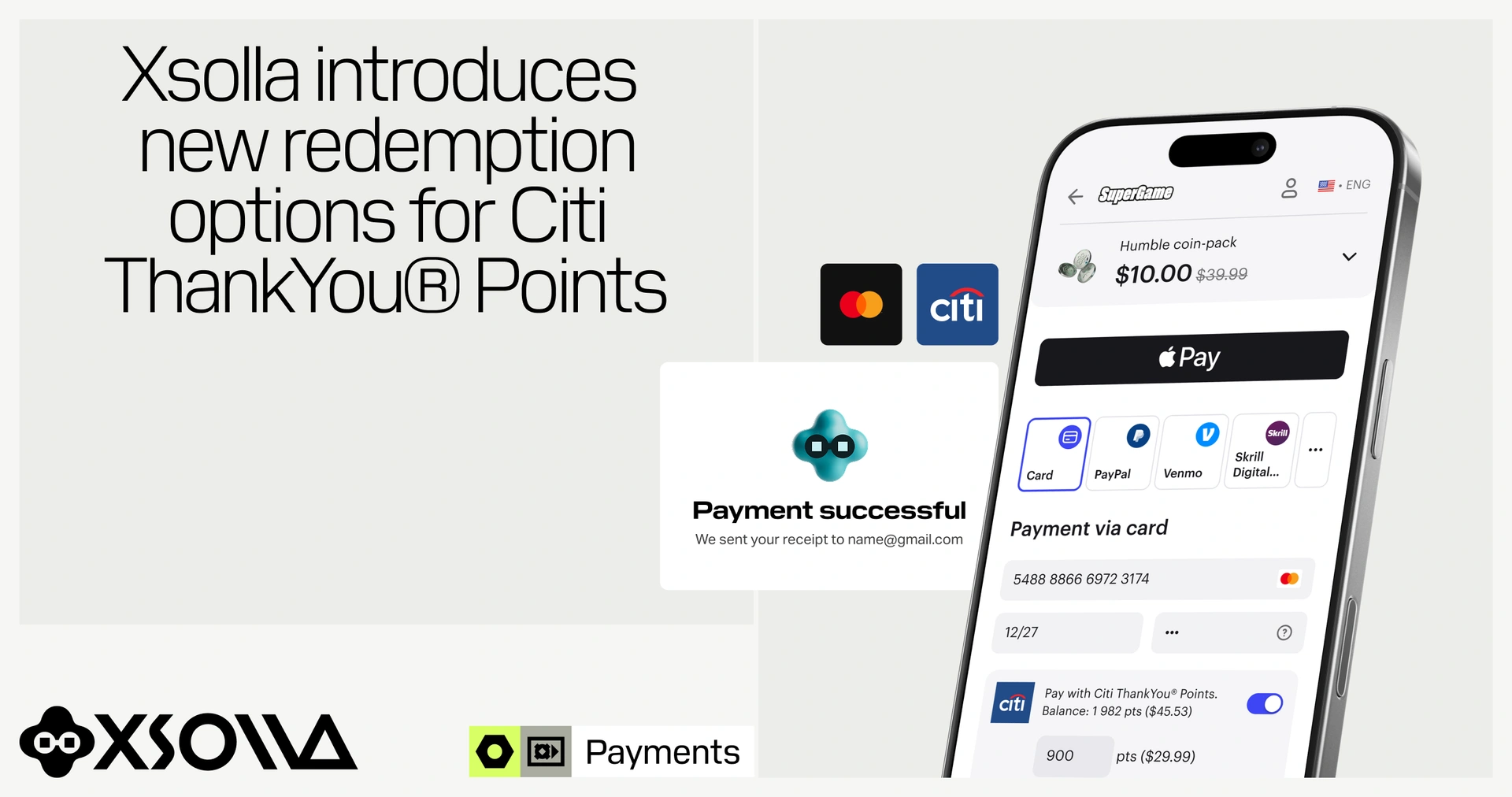
Eligible Citi Mastercard cardmembers can now use Citi ThankYou® Points on video games and in-game digital goods. Studios already using Xsolla Payments can offer points as a payment option without building or maintaining a separate loyalty integration.
GBI
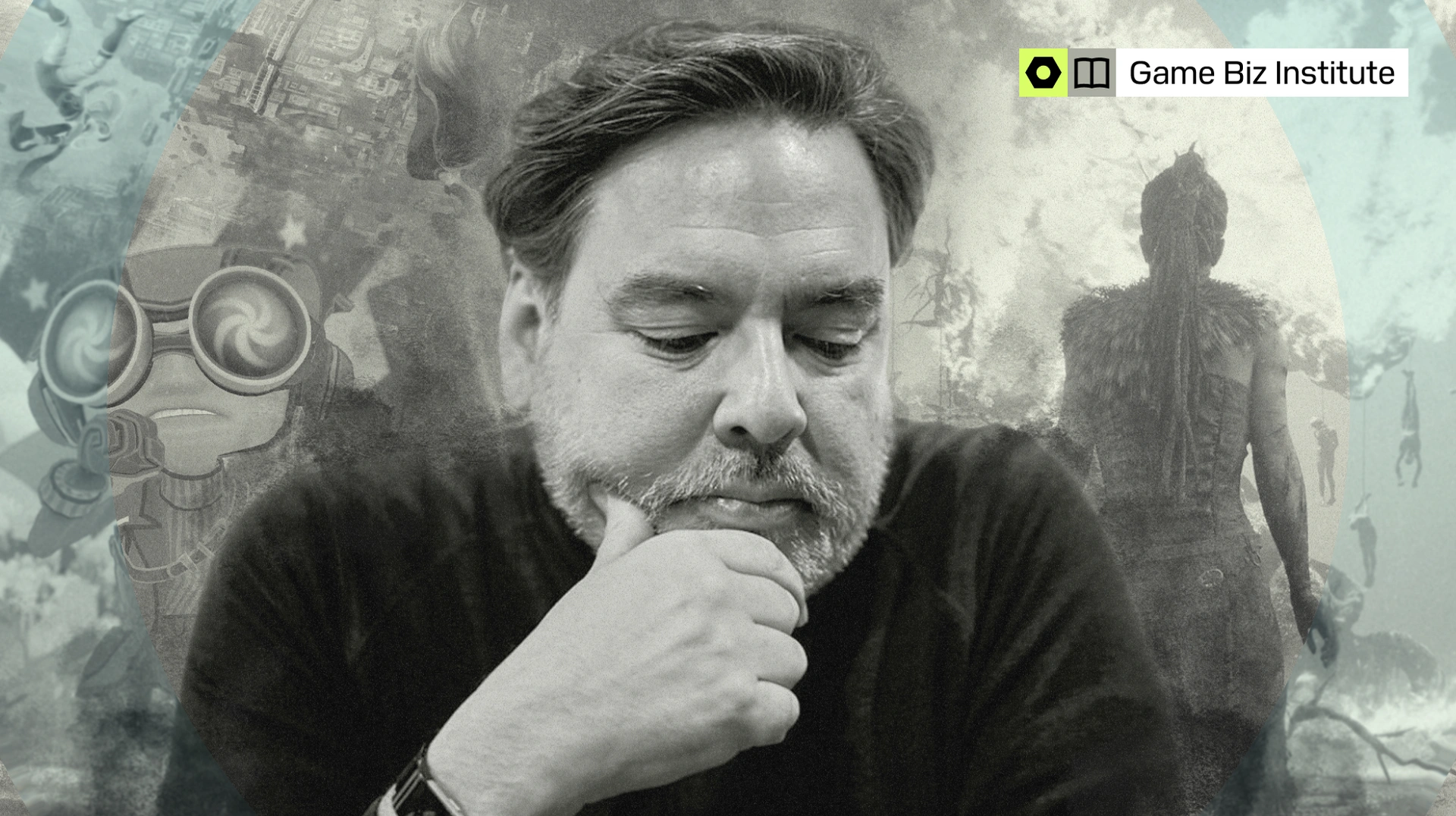
Shawn Layden is building a financing vehicle for stranded AA games. The teams keep their IP. The hard part is that nobody knows how to underwrite a video game.
-1920x1080.webp)
GBI
The calm game launch is never luck; it's the result of work you do long before release day.
-1920x1080.webp)
GBI
Adikteev's Emilien Eychenne knows that your biggest game growth lever isn't new installs; it's learning to spot churn early and win mobile players back for good.
-1920x1080.webp)
GBI
Xsolla research across Asia reveals a consistent pattern: players do not abandon carts because of price; they leave because the checkout feels foreign. Here is what it takes to earn trust at the moment of purchase.
-1920x1072.webp)
GBI
This is where you'll find deep-dive resources and interviews for everything you need to know about the parts of the industry nobody teaches.
GBI
Distribution got democratized. Discoverability got concentrated. GAM3S.GG Head of Operations Eliza Crichton-Stuart speaks out on what that gap means for players and developers, and how to close it.

GBI
MUD1 co-creator Richard Bartle reflects on the origins of virtual worlds, the player-developer contract, free-to-play, pay-to-win, Web3, and why lasting MMOs need purpose before monetization.

GBI
After 15 years and 170M downloads of Magic Jigsaw Puzzles, ZiMAD's Chief BD Officer shares how to protect player trust and lead through fast change.

GBI
GDAI's Program Director, Machaiah Kalengada, dives into the unique combination of India's 550 million young gamers and an industry ready to build its own IP. He reveals what's really happening in India's booming game development scene.
GBI
Gaggle Studios reveals how they built a party gaming hit and what the game industry can learn from Goose Goose Duck's trajectory.
GBI
Andrew Naicker of Skystone Games has spent 14 years watching the "ship faster, market louder" playbook fail. Here's what he actually builds and what it takes to launch in 2026.
GBI
Entertainment licensing isn't a AAA-only game anymore. Xsolla Agency global IP licensing advisor Mark Caplan discusses how mobile studios are sitting on one of the best growth levers in the industry and most aren't using it. Here's what developers get wrong and how the right partner changes everything.

GBI
Players have more to watch, play, and scroll through than ever. They have less time to give any of it. Lexi Sydow, founder of The ATTN Economy, explains why that gap is the real battleground for every game in 2026.

GBI
Sega's head of development studios on LiveOps, global growth, and going direct to players.


Are you a game industry expert with insights that inform? Help us grow Game Business Institute and earn revenue for contributions that have direct impact.
Game Biz Institute
The game industry's most extensive library of business insights.
© 2006 — 2026 Xsolla (USA), Inc.
-1920x1920.webp)
-1-400x400-400x400.webp)
-808x789.webp)



-501x501.webp)
-500x500.webp)


-800x800.webp)

-2-1920x1920.webp)