
Subscriptions
How to Reduce Subscription Churn
May 3, 2022•8 min
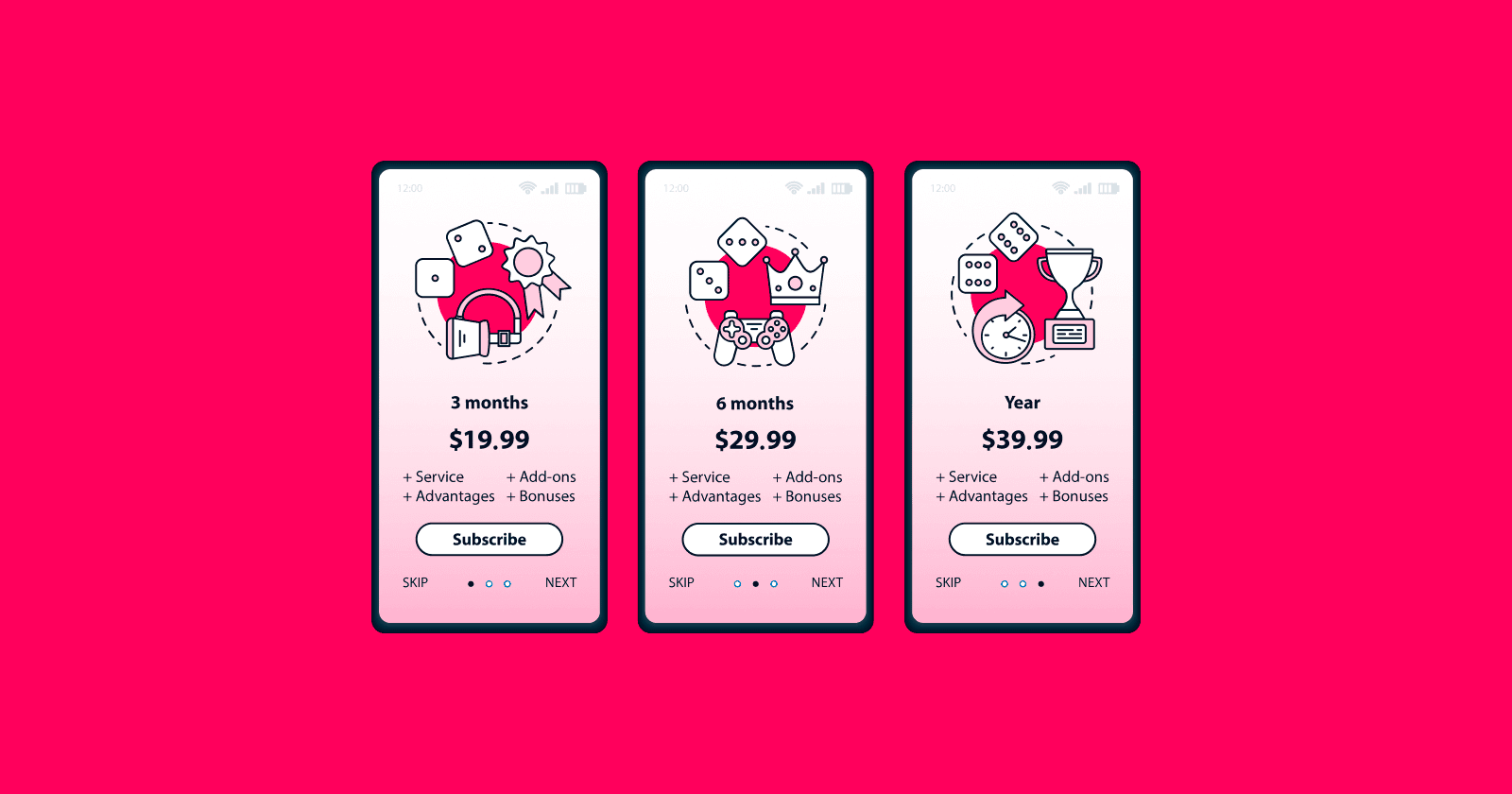
Game subscriptions come in many different forms and have exploded in popularity among gamers and game companies alike. Game libraries like Xbox Game Pass have millions of subscribers. Tried and true models found in World of Warcraft and mobile games have their fair share of users. A 2021 survey revealed that about 52% of gamers subscribed to at least one gaming subscription service. Juniper Research projects that services such as PlayStation Now and PC Game Pass will grow to an $11 billion sector by 2025, up from over $6 billion in 2020.
Forbes found a monetary benefit to such services: Game Pass subscribers spend 20% more time playing 30% more game titles. Gamers who subscribe to subscription services spend 45% more on games than non-subscribers. It’s a proven profitable market strategy.
Game companies can benefit from subscriptions — if they do it right. Game subscriptions come in many formats that help different genres, studio sizes, and audiences. We’ve compiled a list of tips on keeping subscribers riveted to your game.
.png) Users of Dark UX Patterns must contact support to unsubscribe from a product. This is an example of what not to do, as customers will inevitably complain. [From Product Coalition]
One great way to reclaim lost subscribers is by offering discounts or bonuses for returning. If your subscription rates aren’t lining up with your player base, don’t be afraid to be flexible and change it up. Pay attention to your analytics, churn rate, and retention rate, and adjust accordingly. Encourage customer feedback and implement good or popular ideas from your community.
Tailor subscription plans to your customers’ needs
Some high spenders (known in the industry as “whales”) like to spend thousands on games, while most customers prefer to spend no more than $5 a month to unlock additional content. If you choose this type of model (to capitalize on the different brackets of spending and include the most potential customers), you should create a tiered price plan to highlight your game’s value while not overwhelming your players with choice.
Extend grace periods
Sometimes, cancellations aren’t voluntary and could be due to an authorization failure or a new credit card. In other instances, the user might cancel their subscription, then quickly change their mind and try to resubscribe. It’s important to make this aspect of resubscribing easy and beneficial to the player. By implementing a grace period, during which the player gets to keep their in-game perks, they’ll have a more positive experience working out their payment issues or considering re-subscribing. If their in-game items disappear when they fail to pay, it might turn them away. Remind them of any problems with their payment (around one message per day - don’t nag them, but make the intent clear) and try to resolve their issue with the transaction.
Use incentives to keep and bring back players
If you notice players unsubscribing, offer them unique and individual offers to try and win them back. Offering packages at a discount or additional in-game content could work depending on their reason for unsubscribing.
Typically, these manifest in “we miss you” emails, where the vendor offers the mentioned discount to the ex-customer. These can also appear as notices on a site during sign-up, communicating that old accounts can re-subscribe for cheaper.
Users of Dark UX Patterns must contact support to unsubscribe from a product. This is an example of what not to do, as customers will inevitably complain. [From Product Coalition]
One great way to reclaim lost subscribers is by offering discounts or bonuses for returning. If your subscription rates aren’t lining up with your player base, don’t be afraid to be flexible and change it up. Pay attention to your analytics, churn rate, and retention rate, and adjust accordingly. Encourage customer feedback and implement good or popular ideas from your community.
Tailor subscription plans to your customers’ needs
Some high spenders (known in the industry as “whales”) like to spend thousands on games, while most customers prefer to spend no more than $5 a month to unlock additional content. If you choose this type of model (to capitalize on the different brackets of spending and include the most potential customers), you should create a tiered price plan to highlight your game’s value while not overwhelming your players with choice.
Extend grace periods
Sometimes, cancellations aren’t voluntary and could be due to an authorization failure or a new credit card. In other instances, the user might cancel their subscription, then quickly change their mind and try to resubscribe. It’s important to make this aspect of resubscribing easy and beneficial to the player. By implementing a grace period, during which the player gets to keep their in-game perks, they’ll have a more positive experience working out their payment issues or considering re-subscribing. If their in-game items disappear when they fail to pay, it might turn them away. Remind them of any problems with their payment (around one message per day - don’t nag them, but make the intent clear) and try to resolve their issue with the transaction.
Use incentives to keep and bring back players
If you notice players unsubscribing, offer them unique and individual offers to try and win them back. Offering packages at a discount or additional in-game content could work depending on their reason for unsubscribing.
Typically, these manifest in “we miss you” emails, where the vendor offers the mentioned discount to the ex-customer. These can also appear as notices on a site during sign-up, communicating that old accounts can re-subscribe for cheaper.
 An example of a “we miss you” email from J2Games
Sometimes customers genuinely want to end their subscription, so it’s best not to tarnish that relationship further by pestering them with offers and emails, and so on. The number one reason people unsubscribe from emails is due to receiving too many emails, too often, from a single sender, so don’t go overboard. Apply A/B testing to the frequency of your emails and the incentives you offer to determine the best mix for your player base.
An example of a “we miss you” email from J2Games
Sometimes customers genuinely want to end their subscription, so it’s best not to tarnish that relationship further by pestering them with offers and emails, and so on. The number one reason people unsubscribe from emails is due to receiving too many emails, too often, from a single sender, so don’t go overboard. Apply A/B testing to the frequency of your emails and the incentives you offer to determine the best mix for your player base.
 Some companies, like LinkedIn, offer a free monthly trial to those who have previously unsubscribed and those in the process of unsubscribing.
Provide support and solve issues
Grace periods and re-subscribe buttons are self-sufficient at remedying issues up to a point — but nothing beats tailored support. Make sure you are attentive to your players’ problems when it comes to subscriptions, and have someone be responsible and able to fix issues that may arise. It can feel frustrating to want to spend money on a game, run into problems, and wait days for a support ticket submission. It’s in your best interest to have dedicated support, too, or users will likely leave you.
Another vital aspect of support is the ability to listen to and ingest customer feedback. Analytics will be paramount as you tweak the pricing and offers of your subscription model, and there’s no better way than to collect input from the source. Here’s your chance to listen to players directly and implement it if you see it benefiting your business model. You want to provide your customers with a high-value subscription, and your customers want the same, so communication is critical.
Make subscriptions worthy
The success of subscriptions relies on providing enough value to your customer to justify the periodic charge. All the analytics you collect, the support you provide, and the pricing you adjust mean nothing if your subscriptions aren’t worth a sign-up in the first place. Gamers can easily spot a bad deal when it comes to battle passes or bundles (in the case of Halo Infinite, around its launch date, it’s since been fixed), so your packages need to provide unique and valuable rewards. Don’t release popular these in-game aspects for free after discovering what makes them subscription worthy - players who paid to access said features would feel cheated paying for something everyone else gets for free.
Some companies, like LinkedIn, offer a free monthly trial to those who have previously unsubscribed and those in the process of unsubscribing.
Provide support and solve issues
Grace periods and re-subscribe buttons are self-sufficient at remedying issues up to a point — but nothing beats tailored support. Make sure you are attentive to your players’ problems when it comes to subscriptions, and have someone be responsible and able to fix issues that may arise. It can feel frustrating to want to spend money on a game, run into problems, and wait days for a support ticket submission. It’s in your best interest to have dedicated support, too, or users will likely leave you.
Another vital aspect of support is the ability to listen to and ingest customer feedback. Analytics will be paramount as you tweak the pricing and offers of your subscription model, and there’s no better way than to collect input from the source. Here’s your chance to listen to players directly and implement it if you see it benefiting your business model. You want to provide your customers with a high-value subscription, and your customers want the same, so communication is critical.
Make subscriptions worthy
The success of subscriptions relies on providing enough value to your customer to justify the periodic charge. All the analytics you collect, the support you provide, and the pricing you adjust mean nothing if your subscriptions aren’t worth a sign-up in the first place. Gamers can easily spot a bad deal when it comes to battle passes or bundles (in the case of Halo Infinite, around its launch date, it’s since been fixed), so your packages need to provide unique and valuable rewards. Don’t release popular these in-game aspects for free after discovering what makes them subscription worthy - players who paid to access said features would feel cheated paying for something everyone else gets for free.
 An example of Apex Legend’s battle pass rewards
Apex Legends, a free-to-play example, offers around thirty in-game exclusives for their battle pass just for subscribing. However, the battle pass doesn’t stop character and weapon skins and grants the customer exclusive access to unlockables in-game earned by playing.
An example of Apex Legend’s battle pass rewards
Apex Legends, a free-to-play example, offers around thirty in-game exclusives for their battle pass just for subscribing. However, the battle pass doesn’t stop character and weapon skins and grants the customer exclusive access to unlockables in-game earned by playing.
 Call of Duty: Vanguard’s Battle Pass
In Call of Duty: Vanguard’s case, subscribers earn access to exclusive weapons, maps, characters, and cosmetics. A step up from just providing skins and stickers, customers gain access to substantial game portions in exchange for their subscription.
Be careful not to provide too much benefit for paying either, as your non-paying community will complain and leave. Try to strike a balance between value and fairness so as not to give more affluent players an advantage in-game over others. Cosmetics are a great start, as they shouldn’t impact gameplay all that much, but exclusive zones and other superficial rewards are good ideas.
Call of Duty: Vanguard’s Battle Pass
In Call of Duty: Vanguard’s case, subscribers earn access to exclusive weapons, maps, characters, and cosmetics. A step up from just providing skins and stickers, customers gain access to substantial game portions in exchange for their subscription.
Be careful not to provide too much benefit for paying either, as your non-paying community will complain and leave. Try to strike a balance between value and fairness so as not to give more affluent players an advantage in-game over others. Cosmetics are a great start, as they shouldn’t impact gameplay all that much, but exclusive zones and other superficial rewards are good ideas.
Best practices for keeping your subscribers
Subscription services create revenue streams that studios can lean on when planning long-term updates and development plans; hence, it is essential to maintain a healthy and loyal subscriber base of long-term subscribers. There is no “one size fits all” solution, as every game and game audience is different, but having a structured and balanced plan for your subscription service and employing best practices will get you most of the way there. Consider the most effective price and convenient payment methods It’s a basic fact that different players are willing or able to spend different amounts on gaming subscriptions. Some differences in spending can come from differences in culture and income. To hone in on a reasonable pricing model that fits your player base, conduct A/B testing at different price points in multiple regions. Whichever plan generates the most revenue or subscribers is the one you should go with for that particular place in the world. For example, some locales might view free content as less trustworthy than paid content, so in these cases, offering a lower price for a trial is best. You might find that a free trial period isn’t always suitable, depending on which global audience you’re trying to reach. To include a global audience, implement regional pricing, and accept both recurring and non-recurring payment methods, as many users worldwide do not use credit/debit cards as their primary payment method. Some payment systems or credit cards aren’t available in certain countries (e.g., Paypal doesn’t work in certain European countries), so find out which payment systems you’ll need for every country you plan to sell in. Twitch implemented local pricing for channel subscriptions in Mexico and Turkey and found a five times increase in subscriptions for those regions. It has since added local pricing to the rest of Latin America, the Middle East/African countries, and all viewers in Europe based on their previous success. Take the work away from (re)subscribing Plain and simple, it must be easy for users to subscribe or renew a subscription. You don’t want to lose subscribers who wish to continue their subscription but simply can’t figure out how to do so. The interface must be intuitive so that users can easily find the subscribe and renew buttons, and the information about subscriptions must be clear and descriptive. Making the unsubscribe button hard to find may be tempting, but no one likes manipulation tactics. There’s always a chance a player will return after unsubscribing, and you want your players to have the best perception of you to retain your player base and grow it through player recommendations. Design an intuitive interface with informative and transparent details about your subscription. Make it easy for players to upgrade, downgrade, cancel, and renew their subscriptions.
Users of Dark UX Patterns must contact support to unsubscribe from a product. This is an example of what not to do, as customers will inevitably complain. [From Product Coalition]
One great way to reclaim lost subscribers is by offering discounts or bonuses for returning. If your subscription rates aren’t lining up with your player base, don’t be afraid to be flexible and change it up. Pay attention to your analytics, churn rate, and retention rate, and adjust accordingly. Encourage customer feedback and implement good or popular ideas from your community.
Tailor subscription plans to your customers’ needs
Some high spenders (known in the industry as “whales”) like to spend thousands on games, while most customers prefer to spend no more than $5 a month to unlock additional content. If you choose this type of model (to capitalize on the different brackets of spending and include the most potential customers), you should create a tiered price plan to highlight your game’s value while not overwhelming your players with choice.
Extend grace periods
Sometimes, cancellations aren’t voluntary and could be due to an authorization failure or a new credit card. In other instances, the user might cancel their subscription, then quickly change their mind and try to resubscribe. It’s important to make this aspect of resubscribing easy and beneficial to the player. By implementing a grace period, during which the player gets to keep their in-game perks, they’ll have a more positive experience working out their payment issues or considering re-subscribing. If their in-game items disappear when they fail to pay, it might turn them away. Remind them of any problems with their payment (around one message per day - don’t nag them, but make the intent clear) and try to resolve their issue with the transaction.
Use incentives to keep and bring back players
If you notice players unsubscribing, offer them unique and individual offers to try and win them back. Offering packages at a discount or additional in-game content could work depending on their reason for unsubscribing.
Typically, these manifest in “we miss you” emails, where the vendor offers the mentioned discount to the ex-customer. These can also appear as notices on a site during sign-up, communicating that old accounts can re-subscribe for cheaper.
An example of a “we miss you” email from J2Games
Sometimes customers genuinely want to end their subscription, so it’s best not to tarnish that relationship further by pestering them with offers and emails, and so on. The number one reason people unsubscribe from emails is due to receiving too many emails, too often, from a single sender, so don’t go overboard. Apply A/B testing to the frequency of your emails and the incentives you offer to determine the best mix for your player base.
Some companies, like LinkedIn, offer a free monthly trial to those who have previously unsubscribed and those in the process of unsubscribing.
Provide support and solve issues
Grace periods and re-subscribe buttons are self-sufficient at remedying issues up to a point — but nothing beats tailored support. Make sure you are attentive to your players’ problems when it comes to subscriptions, and have someone be responsible and able to fix issues that may arise. It can feel frustrating to want to spend money on a game, run into problems, and wait days for a support ticket submission. It’s in your best interest to have dedicated support, too, or users will likely leave you.
Another vital aspect of support is the ability to listen to and ingest customer feedback. Analytics will be paramount as you tweak the pricing and offers of your subscription model, and there’s no better way than to collect input from the source. Here’s your chance to listen to players directly and implement it if you see it benefiting your business model. You want to provide your customers with a high-value subscription, and your customers want the same, so communication is critical.
Make subscriptions worthy
The success of subscriptions relies on providing enough value to your customer to justify the periodic charge. All the analytics you collect, the support you provide, and the pricing you adjust mean nothing if your subscriptions aren’t worth a sign-up in the first place. Gamers can easily spot a bad deal when it comes to battle passes or bundles (in the case of Halo Infinite, around its launch date, it’s since been fixed), so your packages need to provide unique and valuable rewards. Don’t release popular these in-game aspects for free after discovering what makes them subscription worthy - players who paid to access said features would feel cheated paying for something everyone else gets for free.
An example of Apex Legend’s battle pass rewards
Apex Legends, a free-to-play example, offers around thirty in-game exclusives for their battle pass just for subscribing. However, the battle pass doesn’t stop character and weapon skins and grants the customer exclusive access to unlockables in-game earned by playing.
Call of Duty: Vanguard’s Battle Pass
In Call of Duty: Vanguard’s case, subscribers earn access to exclusive weapons, maps, characters, and cosmetics. A step up from just providing skins and stickers, customers gain access to substantial game portions in exchange for their subscription.
Be careful not to provide too much benefit for paying either, as your non-paying community will complain and leave. Try to strike a balance between value and fairness so as not to give more affluent players an advantage in-game over others. Cosmetics are a great start, as they shouldn’t impact gameplay all that much, but exclusive zones and other superficial rewards are good ideas.
Conclusion
You know your game and player base the best. With whichever subscription model you choose, provide excellent value to your players and ensure non-subscribing players aren’t left behind. Get started reducing churn with Subscriptions Ready to accelerate user retention for your game? Learn more about how Xsolla Subscriptions can help, and then log into your Xsolla Publisher Account to try it out. Contact an expert from our team to learn how to reduce your workload and provide simple solutions. We’re always happy to help you take the next step in your business success.Featured articles


Contact us
Talk to an expert
Ready to maximize revenue opportunities? Reach out to our experts and learn how to start earning more and spending less.